
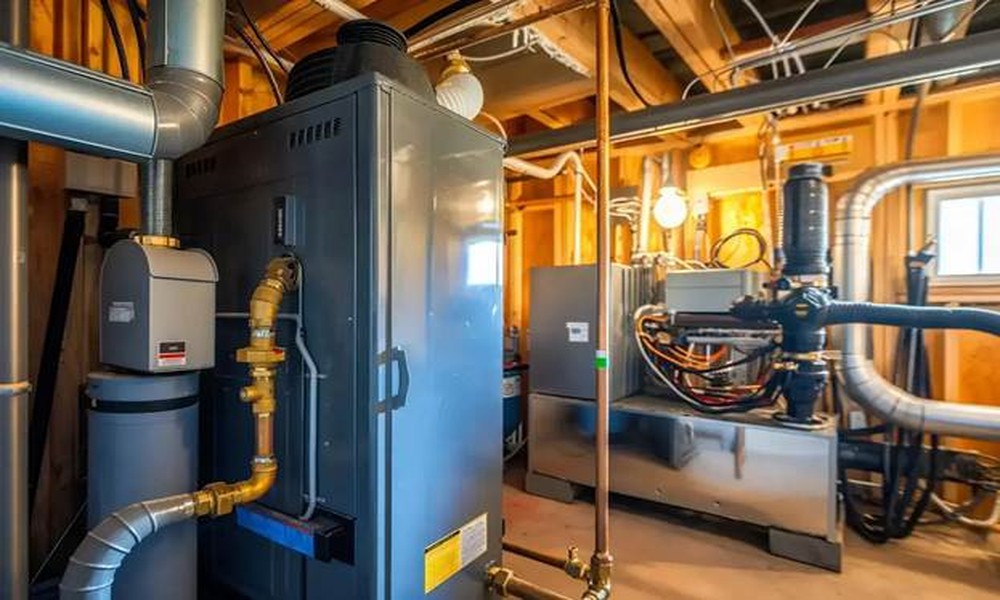
Choosing the right heating system for a new home is one of the most important decisions a homeowner can make. Your system affects daily comfort, indoor air quality, utility costs, and long-term property value. Careful planning ensures reliable warmth, healthier airflow, and better energy performance. Investing wisely from the start makes furnace installation a critical part of creating a comfortable, efficient home.
Understanding Your Heating System Options
Modern heating systems come in several forms, and each offers different benefits depending on climate, fuel access, and household needs. Gas furnaces remain common for their heating power and operational affordability, while electric furnaces often last longer. Heat pumps provide both heating and cooling, making them attractive for moderate climates focused on energy savings.
Selecting the right system starts with evaluating your home’s square footage, insulation, and regional weather patterns. Homes in colder climates often require stronger heating capacity, while moderate areas may prioritize efficiency over output. Matching equipment to your environment helps improve home comfort while preventing unnecessary energy waste.
Common Heating System Choices
- Gas furnaces
- Electric furnaces
- Heat pumps
- Boilers
- Dual-fuel HVAC systems
Each option offers different installation costs, maintenance requirements, and efficiency levels.
Why Proper Furnace Sizing Matters
System size directly affects comfort and energy efficiency. An oversized furnace may heat too quickly and shut off before evenly warming the house, while an undersized system may struggle constantly, increasing wear and utility costs. Proper load calculations help determine the best size for balanced heating performance.
HVAC professionals use home size, insulation quality, ceiling height, and window placement to calculate ideal system capacity. During furnace installation, correct sizing can improve airflow, reduce energy bills, and extend system lifespan. This step prevents common issues like short cycling, uneven temperatures, and avoidable mechanical strain.
Energy Efficiency Should Be a Top Priority
Heating often accounts for a large portion of household energy costs, making efficiency one of the most valuable considerations during system selection. Choosing an energy-efficient furnace can lower utility bills while reducing environmental impact.
Annual Fuel Utilization Efficiency, or AFUE, measures how effectively a furnace converts fuel into heat. Higher AFUE ratings generally indicate better efficiency. While high-efficiency systems may cost more upfront, long-term savings often offset initial expenses through reduced monthly operating costs.
Energy-Efficient Features Worth Considering
- Variable-speed motors
- Smart thermostat compatibility
- Zoned heating systems
- Sealed combustion technology
- High-efficiency air filtration
These features support both lower energy use and improved indoor comfort.
Ductwork and Ventilation Play Major Roles
A heating system’s performance depends heavily on ductwork quality. Even the best equipment can lose efficiency if ducts leak, restrict airflow, or are improperly sized. Duct design directly affects temperature consistency, air quality, and energy costs throughout your home.
Professional duct inspection is essential during new system planning. Properly sealed ducts reduce heat loss and improve system output. Ventilation is equally important, especially for gas systems, to maintain safe combustion and healthy indoor air. Quality furnace installation should always include duct and ventilation evaluation.
Installation Quality Can Impact Long-Term Performance
Even top-rated heating equipment can underperform if installation is rushed or poorly executed. Professional installation protects system reliability, efficiency, and warranty coverage while reducing future repair risks.
Licensed HVAC technicians ensure proper airflow, thermostat calibration, safety checks, and code compliance. This process helps maximize system lifespan and improve heating consistency. Investing in skilled installation can prevent airflow restrictions, safety concerns, and energy inefficiencies from day one.
Benefits of Professional Installation
- Better system performance
- Improved energy efficiency
- Warranty protection
- Safer operation
- Balanced indoor temperatures
- Lower repair risks
Choosing experienced HVAC professionals protects both your comfort and financial investment.
Maintenance Planning Starts Immediately
A new furnace still requires regular maintenance to perform efficiently over time. Preventative HVAC maintenance can reduce emergency repairs, preserve efficiency, and improve home comfort for years.
Changing air filters regularly is one of the simplest and most important tasks homeowners can perform. Seasonal inspections, thermostat checks, and airflow evaluations also support better heating performance while protecting system components from premature wear.
Essential Furnace Maintenance Habits
- Replace filters every 1-3 months
- Schedule annual inspections
- Keep vents clean and open
- Monitor unusual sounds
- Test carbon monoxide detectors
- Seal drafts around windows and doors
Consistent maintenance keeps your heating system operating safely and efficiently.
Indoor Air Quality and Home Comfort
Your heating system affects more than temperature, it also influences humidity, airflow, and air cleanliness. Dry winter air, poor filtration, or inadequate ventilation can reduce comfort and worsen allergies.
Modern systems can include humidifiers, advanced filtration, or whole-home air purification options. These upgrades help maintain healthier indoor air while improving respiratory comfort. Considering air quality during heating setup can create a more balanced and enjoyable living environment.
Budgeting Beyond Installation Costs
The total cost of a heating system includes more than equipment and installation. Homeowners should also consider future maintenance, fuel expenses, and efficiency savings.
Higher-efficiency systems often provide better long-term value despite larger upfront investments. Evaluating lifetime operating costs instead of just purchase price can help homeowners make smarter financial decisions while improving comfort and energy savings.
Conclusion
Setting up a new home heating system requires thoughtful planning, smart budgeting, and a focus on long-term comfort. From choosing the right furnace type and size to prioritizing energy efficiency, ductwork quality, and professional installation, every step matters. Ongoing HVAC maintenance also protects performance, lowers utility bills, and improves indoor air quality. By making informed decisions early, homeowners can enjoy reliable warmth, healthier living spaces, and lasting energy savings that support comfort for many years.