
Assumption: This article focuses on Plymouth, Minnesota, and the Minneapolis and St. Paul metropolitan area, with attention to freezing winters, spring snowmelt and homes with finished basements.
A Minnesota basement may remain dry through winter, then develop moisture problems as frozen ground thaws and snowmelt enters the surrounding soil. At the same time, water supply pipes exposed to cold spaces can freeze, while concealed kitchen and utility connections may slowly leak without obvious warning.
Plumbing systems in Plymouth and the wider Twin Cities serve different purposes, and each has distinct failure patterns. A sump pump manages collected groundwater, supply lines deliver pressurized water, and kitchen fixtures handle daily use. Understanding those differences helps homeowners identify which components deserve inspection before minor deterioration becomes extensive damage.
For Sump Pumps and Backup Sump Systems and Leaking Pipes and Detection, Mark’s Plumbing Service & Repair serves residential and commercial properties in the Twin Cities region. The company’s services also include Faucet Installation and Repair and Garbage Disposal Installation and Repair. Homeowners can schedule a plumbing inspection to identify vulnerable connections and developing problems.
Common Plumbing Failures Across Home Systems
| Home system | Common failure | What a plumber checks |
|---|---|---|
| Basement sump pump | Stuck float, blocked discharge or motor failure | Float movement, pump operation, check valve and discharge |
| Backup sump system | Failed battery or secondary controls | Power source, activation mechanism and pump operation |
| Water supply pipes | Freezing, corrosion or concealed leaks | Pipe condition, pressure, joints and leak location |
| Kitchen faucets and sinks | Worn seals, leaking fittings or clogged drains | Cartridges, supply valves, strainers and traps |
| Garbage disposal | Jamming, damaged seals or motor problems | Mounting, drainage and electrical safety |
| Gas appliance piping | Damaged or leaking connections | Pipe integrity and professional leak testing |
Basement Plumbing and Sump Pump Protection
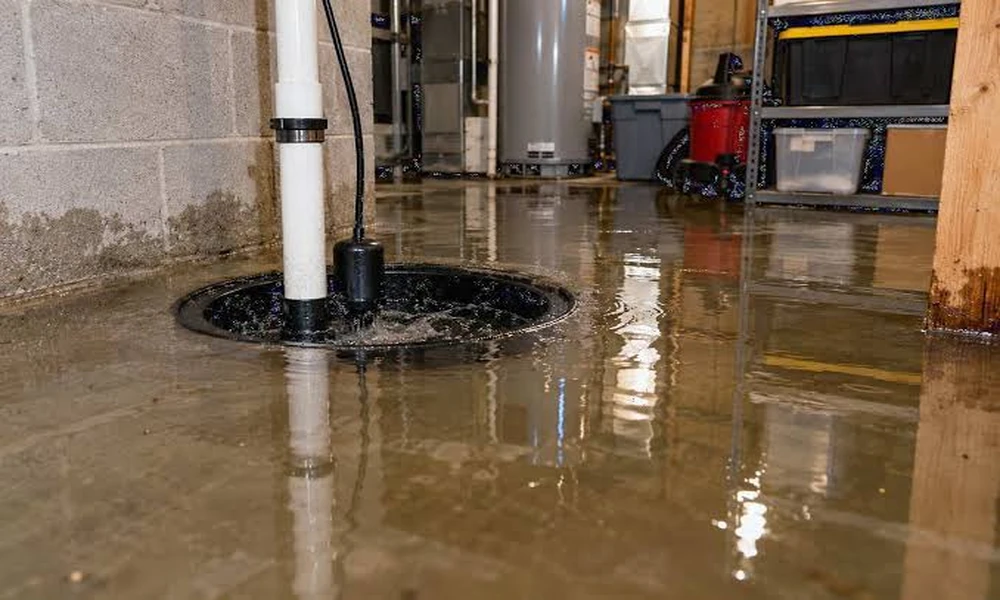
Sump pump: A pump installed in a collection basin to remove groundwater that reaches the home’s foundation drainage system. During spring thaw, melting snow and rain can raise groundwater around foundations.
Common failure: Float switches can stick, motors can fail, and discharge piping can become obstructed. An outdoor discharge may also freeze and prevent water from escaping.
What a plumber checks: The basin, float mechanism, check valve, electrical connection and discharge arrangement. Testing should confirm that water leaves the basin without immediately returning.
Backup sump system: A secondary pumping arrangement that offers additional protection if the main pump fails or loses power. An inactive battery or failed control may go unnoticed until needed.
The University of Minnesota Extension’s basement moisture guidance identifies inadequate grading, defective gutters and nonfunctioning drainage systems as common contributors to wet basements.
Preventive upkeep: Test pumps before spring snowmelt, check backup operation and keep discharge outlets open. Persistent dampness requires broader investigation because a pump cannot correct every foundation water problem.
Supply Pipes and Hidden Water Leaks
Supply piping: Pressurized pipes carrying hot and cold water to fixtures and appliances. Routes through basement ceilings, utility rooms and concealed wall cavities can hide small leaks.
Freeze damage: Water can expand when frozen and damage pipes near exterior walls, unheated spaces or cold drafts. Leaks may appear only after the ice thaws and pressure returns.
Hidden leakage: Water escaping from joints or deteriorated pipe without an immediate puddle. Unexplained meter movement, damp insulation and stained drywall merit investigation; condensation may look similar.
The EPA’s WaterSense household leak guidance recommends checking the meter when no water is being used. A changing reading may indicate an unidentified leak.
What a plumber checks: Pressure, accessible fittings, pipe condition and moisture location, potentially using appropriate detection equipment to distinguish supply leakage from drainage or condensation.
Preventive upkeep: Protect vulnerable piping from freezing, monitor water use and identify the main shutoff valve. Isolate active leaks promptly when safe.
Kitchen Faucets and Sink Connections
Kitchen faucet: A fixture with valves, cartridges and seals that control water delivery. Drips may come from internal wear; water beneath the sink may come from supply fittings.
Common failure: Worn seals, corrosion and loosened connections can release water into cabinets, where storage often conceals dampness.
Kitchen sink drainage: The strainer, trap and pipes carrying used water away. Drain leaks may occur only during emptying, unlike pressurized supply leaks.
What a plumber checks: Supply stops, flexible connectors, faucet mounting, drain seals and traps. Testing helps identify whether leakage occurs on the supply or drain side.
Preventive upkeep: Periodically inspect the cabinet floor and address drips before moisture damages finishes or flooring.
Garbage Disposal Components and Drainage
Garbage disposal: A powered appliance beneath the sink that processes suitable food scraps before they enter the drain.
Common failure: Jammed mechanisms, worn mounting seals, faulty motors and obstructed drain connections. A leak near the appliance does not necessarily mean the motor housing is damaged.
What a plumber checks: Mounting, discharge fittings, appliance body and the source of moisture, with electrical power safely isolated before internal inspection.
Preventive upkeep: Follow operating instructions, avoid unsuitable waste and never place fingers in the chamber. Recurring clogs may call for inspection of connected drain piping.
Gas Piping to Stoves and Dryers
Gas appliance piping: Approved pipes and connections delivering fuel gas to appliances. Unlike water leaks, defective gas piping may present fire, explosion and health risks.
Common failure: Damaged fittings, corrosion or improper alterations that compromise the system.
What a professional checks: Materials, accessible connections and system integrity using approved tests. Leave gas installation, changes and repair to appropriately licensed professionals.
Safety response: If you suspect a leak, leave the building immediately. Do not operate switches, electrical devices or flames nearby. Contact the utility or emergency services from a safe location.
Conclusion
Minnesota plumbing maintenance should reflect each system’s role. Sump pumps need attention before groundwater increases, supply pipes require protection from freezing, and kitchen fixtures deserve checks for concealed leaks. Older Twin Cities homes may contain aging connections or previous alterations, while newer properties can also experience component failures. A system specific inspection helps protect basements, cabinets and other vulnerable building materials.