
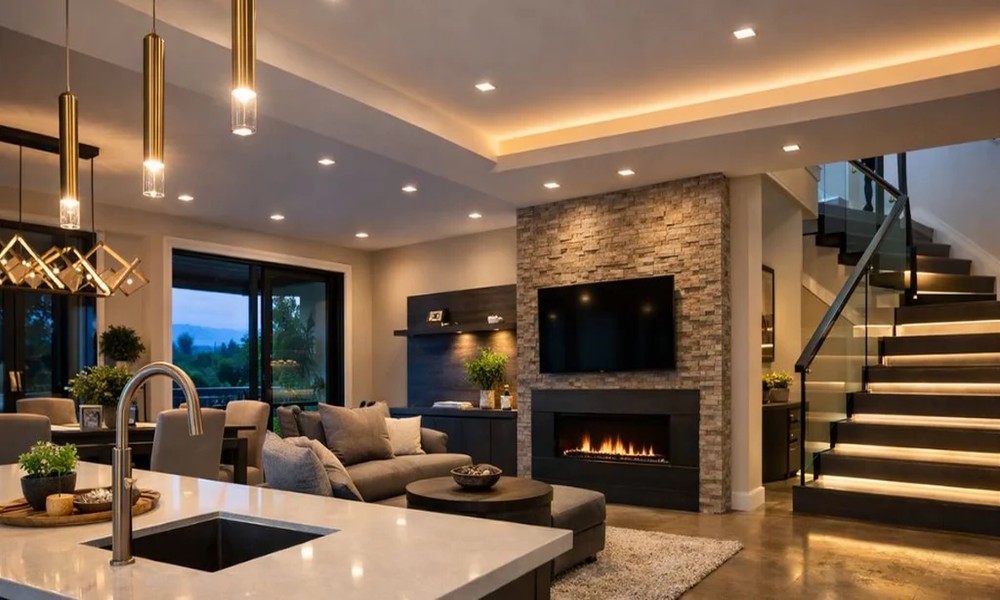
Designing a new home is an exciting process, and lighting plays a far more important role than most people initially realise. It is not just about installing fixtures, but shaping how every room feels, functions, and flows. Thoughtful lighting planning ensures that your home looks inviting, supports daily activities, and adapts to different moods throughout the day.
From layered lighting concepts to strategic placement of cabinet lighting, living room wall lights, and table lamps for bedroom spaces, a well-planned approach can elevate your home from basic to beautifully balanced.
Start with a Layered Lighting Plan
Before selecting fixtures, it is important to understand the concept of layered lighting. Every room should ideally have three types of lighting working together.
- Ambient lighting provides overall illumination and ensures the room is comfortably lit.
- Task lighting focuses on specific activities like reading, cooking, or working.
- Accent lighting highlights architectural features or décor elements.
Planning these layers during construction allows for better wiring decisions and avoids the need for adjustments later. For example, combining ceiling lights with cabinet lighting in kitchens or adding living room wall lights for depth ensures a more dynamic and functional space.
Plan Room-by-Room for Better Results
Every room in your home serves a different purpose, and your lighting plan should reflect that. Designing lighting room-by-room ensures the right balance of functionality, comfort, and visual appeal throughout the house.
Living Room Lighting Strategy
The living room is a multifunctional space where lighting needs to be flexible. Start with ambient ceiling lighting and then build layers using living room wall lights to add warmth and character.
Wall lights can highlight artwork, create visual interest, and reduce harsh shadows. Pairing them with floor or table lamps ensures that the room feels cosy in the evening while still being bright enough during gatherings.
Bedroom Lighting Essentials
Bedrooms require a softer, more relaxing lighting approach. Instead of relying only on overhead lights, include multiple light sources.
Table lamps for bedroom setups are essential for reading and nighttime convenience. Placing them on bedside tables allows easy access and creates a warm, calming atmosphere.
You can also consider dimmable lighting options to adjust brightness levels according to mood, making the bedroom more adaptable for rest and relaxation.
Kitchen and Cabinet Lighting Planning
Kitchens demand precision lighting, especially for tasks like chopping and cooking. This is where cabinet lighting becomes crucial.
Installing lights under cabinets ensures that countertops are well-lit, eliminating shadows caused by overhead fixtures. It not only improves functionality but also enhances the overall visual appeal of the kitchen. During construction, plan wiring points for cabinet lighting early to avoid retrofitting challenges later.
Focus on Lighting Placement Early
Lighting placement should never be an afterthought. Planning during construction allows you to position fixtures exactly where they are needed.
- Ensure switches are conveniently located for easy access.
- Avoid placing lights directly above seating areas where glare can occur.
- Use wall lights and layered sources to distribute light evenly across the room.
For example, in living areas, placing living room wall lights at eye level can create a balanced glow, while in bedrooms, positioning table lamps for bedroom use near beds improves usability.
Choose the Right Colour Temperature
Light colour temperature significantly impacts how a space feels.
- Warm light (2700K-3000K) creates a cosy and inviting atmosphere, ideal for bedrooms and living rooms.
- Neutral light (3500K-4000K) works well for kitchens and workspaces.
- Cool light (5000K and above) is best for task-heavy areas requiring high visibility.
Combining different temperatures across your home helps define each space while maintaining overall harmony.
Plan for Future Flexibility
A good lighting plan should not only meet current needs but also adapt to future changes.
Consider installing extra wiring points or smart controls that allow you to modify lighting setups later. This is especially useful for areas like kitchens, where cabinet lighting might be upgraded or expanded over time.
Similarly, leaving room for additional table lamps for bedroom setups or decorative living room wall lights ensures your home can evolve with your style preferences.
Integrate Aesthetics with Functionality
Lighting should complement your interior design while remaining practical. Instead of focusing only on brightness, think about how fixtures contribute to the overall look of your home.
- Use wall lights to add texture to plain walls.
- Incorporate cabinet lighting to enhance modern kitchen designs.
- Select table lamps for bedroom spaces that match your décor theme.
Balancing aesthetics with functionality ensures your home feels cohesive and thoughtfully designed.
Don’t Overlook Outdoor and Transitional Spaces
Lighting is not limited to interiors; entryways, balconies, and corridors also require careful planning. These transitional spaces act as connectors between rooms, and the right lighting helps maintain a seamless visual flow throughout the home.
Soft, well-placed lighting in these areas enhances safety by improving visibility at night while also adding a subtle layer of ambience. Thoughtful planning here ensures that your entire home feels cohesive, well-lit, and inviting from one space to another.
Designing a Home That Shines with Thoughtful Lighting
Lighting planning is one of the most important aspects of new home construction, yet it is often overlooked until the final stages. Taking the time to plan early allows you to create a home that is not only well-lit but also comfortable, functional, and visually appealing.
By combining layered lighting, thoughtful placement, and elements like cabinet lighting, living room wall lights, and table lamps for bedroom spaces, you can design an environment that supports your lifestyle while enhancing the beauty of your home. A well-lit home is not just about brightness, but also about creating spaces that feel right at every moment of the day.