
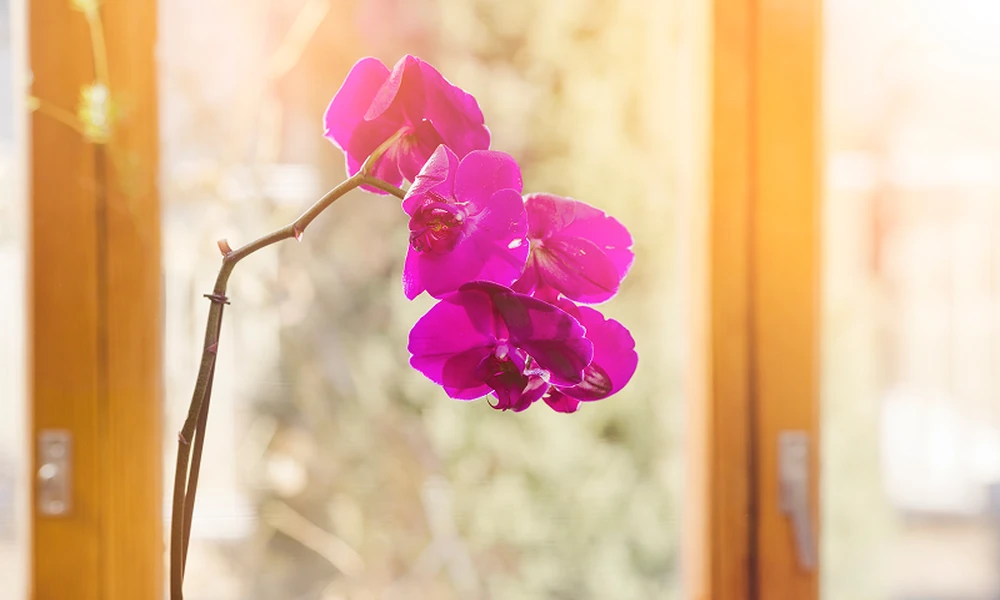
Orchids can bring colour and structure into a home, but they need more consideration than choosing a plant purely for its flowers. Light levels, airflow, watering habits and placement can all affect whether the plant remains practical to care for after the initial bloom.
Before comparing orchid plants with other potted plants in Singapore, look closely at the conditions available in your home. These seven questions can help determine whether an orchid suits both the space and the amount of care you want to provide.
1. How Much Indirect Light Does the Location Receive?
Many commonly grown orchids prefer bright conditions without prolonged exposure to harsh direct sunlight. A window that receives filtered or indirect light may therefore suit them better than a dark corner or an intensely sunny ledge.
Observe the intended location throughout the day. Curtains, neighbouring buildings and window direction can change how much light actually reaches the plant.
When choosing orchid plants, match the variety to the available light rather than assuming every orchid has identical requirements.
2. Does the Room Have Adequate Airflow?
Air movement can help prevent moisture from remaining around leaves and growing media for excessive periods. However, the plant should not sit directly in front of strong fans or air-conditioning vents.
Consider whether the proposed location feels enclosed, particularly around shelves or tightly packed plant displays. Leaving some space around the pot can help air circulate naturally.
This requirement can make orchids different from some other potted plants in Singapore that tolerate more confined positions.
3. Can You Manage the Plant’s Watering Routine?
Orchids should not automatically follow the same watering schedule as every other houseplant. Their growing media, pot type, temperature and humidity can all affect how quickly moisture disappears.
Rather than watering on a fixed calendar, owners may need to check the growing medium and plant condition before adding more water. Constantly wet roots can create problems, while allowing some orchid varieties to remain dry for too long can also cause stress.
Consider whether you prefer plants that tolerate occasional neglect or whether you are comfortable checking conditions regularly.
Questions to Ask Before Bringing an Orchid Home
Use these questions to test whether the plant fits your routine:
- Does the intended position receive enough bright, indirect light?
- Can air move around the leaves without exposing them to strong drafts?
- Will you remember to check moisture instead of watering automatically?
- Is the location away from intense heat and direct afternoon sun?
- Can you provide enough room for leaves, flower spikes and future growth?
- Are you comfortable adjusting care after flowering?
- Do you understand the specific requirements of the orchid variety you are considering?
These questions can help separate a suitable long-term choice from a plant selected mainly for its appearance.
4. How Humid Is the Intended Room?
Singapore’s climate may provide relatively humid outdoor conditions, but indoor environments can vary considerably. Air-conditioning can make some rooms feel cooler and drier, particularly when it runs for long periods.
Orchids often benefit from moderate humidity, although requirements vary between species and hybrids. Homeowners should consider the actual indoor environment rather than assuming local climate automatically provides ideal conditions.
If several potted plants in Singapore already grow well in the proposed area, their condition may provide some indication of how suitable the location is, although each plant still has individual needs.
5. Is There Enough Space for Leaves and Flower Spikes?
An orchid may occupy little floor or shelf space at the base while extending much farther through its leaves and flower stems.
Measure the area around the pot as well as the surface beneath it. Tall flower spikes can interfere with shelves, curtains or nearby objects if the plant sits in a confined location.
Some orchid plants may also need support stakes, so allow enough room to position and adjust them without constantly moving the plant.
6. Will the Temperature Remain Fairly Stable?
Sudden temperature changes can affect many indoor plants. Orchids placed near frequently opened exterior doors, hot kitchen areas or direct air-conditioning may experience conditions that change sharply throughout the day.
Choose a position with relatively stable surroundings and check the requirements of the particular orchid variety. Not every type prefers exactly the same temperature range.
A visually convenient location may therefore prove unsuitable if it exposes the plant repeatedly to heat or cold drafts.
7. Are You Prepared to Care for the Plant After It Flowers?
Many buyers focus on orchids while they are in bloom, but the plant continues to need care after the flowers fade.
Leaves, roots and growing media still require attention, and the plant may need time before producing another flower spike. Depending on the orchid, owners may also need to adjust feeding, repotting or pruning practices over time.
People who prefer continuously decorative potted plants in Singapore should consider whether they remain comfortable keeping an orchid during its non-flowering stages.
Choose for the Conditions You Can Maintain
An orchid fits a home best when its needs match the light, airflow, humidity and care routine already available. Selecting according to these conditions can make ownership more manageable than choosing solely by flower colour or arrangement size.
The specific orchid variety should still guide final care, so ask about its individual requirements before deciding where it will live.
Contact D’Spring to compare orchid plants according to your available light, intended placement and preferred level of ongoing plant care.