
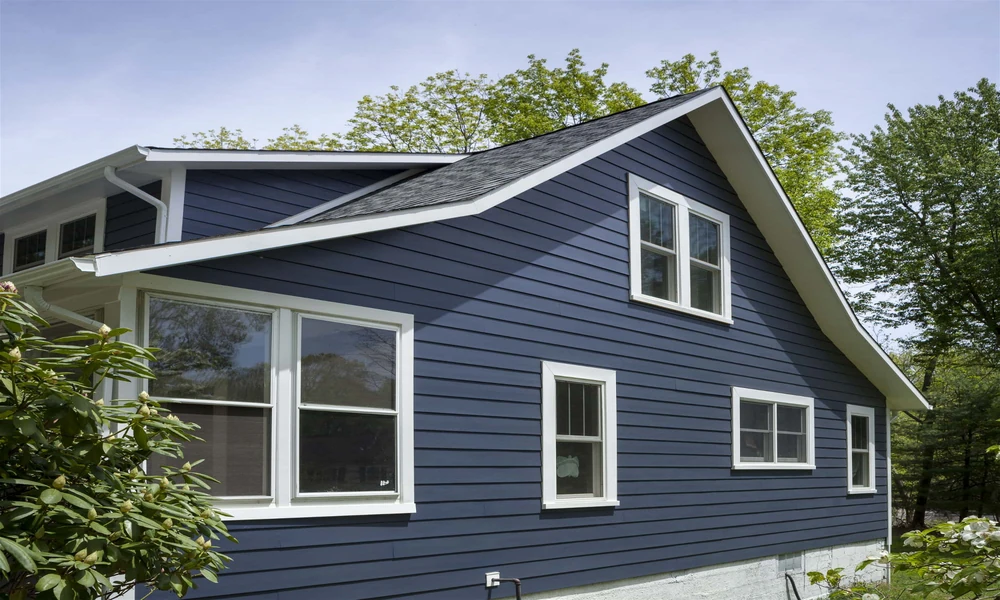
Changing the siding can give a house an entirely different presence, but choosing new material involves more than deciding which color looks best on a sample. Siding surrounds windows, doors, rooflines, utility fixtures, and architectural details, making it one of the most visually connected parts of a home’s exterior. When considering replacement siding in Houston, homeowners can use the project as an opportunity to evaluate how all these elements work together.
Homeowners exploring exterior improvement options can click here to learn more about professional services for their property. Before selecting siding, it is helpful to photograph each side of the house and identify features that will remain after the project. Roofing, masonry, windows, garage doors, and other permanent materials can provide a useful starting point for developing a coordinated exterior design.
Let Permanent Features Guide the Color Palette
Not every exterior feature will change during a siding project.
A brick section, stone accent, roof, or existing window frame may remain for many years. These materials already establish colors and textures that the new siding will need to complement.
Instead of selecting a siding color independently, homeowners can place samples next to these permanent features.
This makes it easier to see whether undertones and contrasts work together.
A color does not need to match every existing material exactly. In many cases, a complementary relationship creates a more interesting exterior than trying to make everything the same shade.
Use the Home’s Architecture as a Starting Point
Different houses provide different opportunities for exterior design.
Some properties have prominent gables, covered entrances, or multiple stories. Others rely on simple lines and a relatively uniform facade.
When choosing replacement siding in Houston, homeowners can identify architectural features they want to emphasize.
Trim or complementary siding treatments may help define particular sections, while a simpler approach can create visual consistency across a house with numerous existing details.
The goal is to work with the structure rather than forcing a design onto it simply because that style is currently popular.
Observe the Exterior in Houston Sunlight
Exterior colors can change noticeably depending on lighting.
A sample viewed indoors may appear quite different once placed outside in direct sunlight. Even outdoors, the same color can look different on a shaded wall compared with a section receiving strong afternoon sun.
Homeowners should view siding samples against the actual house whenever possible.
Check them several times during the day and on more than one side of the property.
This simple process provides a more realistic idea of how a color may interact with the home’s surroundings after installation.
Think About How Landscaping Frames the House
Landscaping contributes more to exterior design than homeowners sometimes realize.
Large trees can create extensive shade, while shrubs, flowering plants, fences, and hardscaping introduce additional colors and textures around the building.
The siding does not need to match the landscaping, but the two will always be seen together.
Homeowners considering replacement siding in Houston can step toward the street or another distant viewing point and observe how landscaping frames the structure.
This wider perspective can be useful when deciding whether the exterior needs more contrast or a quieter overall palette.
Decide How Much Contrast You Want
Trim creates definition around windows, doors, corners, rooflines, and other architectural transitions.
The amount of contrast between siding and trim can significantly change the character of a house.
A strong contrast may emphasize individual architectural features, while closely related colors can create a more understated appearance.
Homeowners should also consider the garage door and main entrance.
Because these are often large or visually prominent features, their colors can influence how the siding and trim combination appears from the street.
Looking at the entire facade can help prevent any single element from feeling disconnected.
Consider Existing Windows and Doors
New siding will create a fresh background around windows and doors.
If these components are staying, their frame and trim colors should influence siding selection. Homeowners may discover that an existing door becomes a stronger focal point once the surrounding exterior changes.
If window or door replacement is planned for the future, those projects should also be considered.
Homeowners do not necessarily need to complete everything simultaneously, but choosing compatible finishes now can make later improvements easier to coordinate.
Planning ahead helps create continuity between projects completed at different times.
Pay Attention to Transitions Between Materials
Many homes have more than one exterior material.
Siding may meet brick, stone, concrete, roofing, or another type of cladding. Additions can also create transitions between different portions of the structure.
These meeting points deserve attention during planning.
Homeowners should understand how the new siding will visually and physically transition around existing materials.
Thoughtful transitions can make separate parts of the house feel connected rather than giving the appearance that improvements were completed independently without an overall design plan.
Remember the Small Details on Exterior Walls
Outdoor walls contain many features that can be overlooked during early planning.
Lighting fixtures, electrical outlets, vents, faucets, cameras, utility connections, and house numbers may all interact with replacement siding in Houston.
Homeowners can inventory these items before work begins.
This is also a convenient time to decide whether older decorative fixtures should return after installation. For example, a dated light fixture may become considerably more noticeable against a newly updated wall.
Making these decisions ahead of time can help the final details feel intentional.
Discuss What Happens Beneath the Existing Siding
The visible surface is only one part of a siding project.
Once existing material is removed, portions of the exterior that were previously concealed may become accessible. Homeowners should ask what happens if deterioration or another unexpected condition is discovered.
Understanding this process before installation begins can prevent uncertainty later.
It is useful to know what preparation is included in the project scope, how additional work would be communicated, and whether any decisions might be required before new siding can be installed.
Consider Maintenance Before Choosing a Material
The appearance of new siding receives considerable attention during selection, but homeowners will live with its maintenance requirements for years.
Different materials and finishes can have different care recommendations.
Ask how the siding should be cleaned and what routine observations homeowners should make. Consider areas of the house that are difficult to access because of height, landscaping, decks, or other obstacles.
A siding option that fits the household’s realistic maintenance preferences can be more practical than choosing based entirely on initial appearance.
Plan for Installation Activity Around the Property
Siding work requires access to exterior walls.
Patio furniture, grills, decorations, toys, and portable planters may need to be relocated temporarily. Contractors may also need sufficient clearance around landscaping.
Homeowners should discuss access before work begins, particularly if mature shrubs or other important features sit close to the house.
Inside, wall-mounted decorations near exterior walls may also be worth securing because construction activity can sometimes create vibration.
Preparing both sides of the wall can make installation days easier for the household.
Create an Exterior That Feels Deliberate
New siding can dramatically change a property’s appearance, but successful design depends on how well it connects with everything that remains. Roofing, windows, doors, landscaping, masonry, trim, architectural details, and exterior fixtures can all influence the final result. Considering these elements together can help homeowners choose replacement siding in Houston that feels like a natural part of the house.
For homeowners exploring replacement siding in Houston, Conservation Construction of Houston can evaluate the existing exterior and discuss siding options based on the property’s architecture and project goals. A carefully planned siding project can refresh the home while creating a more coordinated appearance from the roofline to the foundation.