
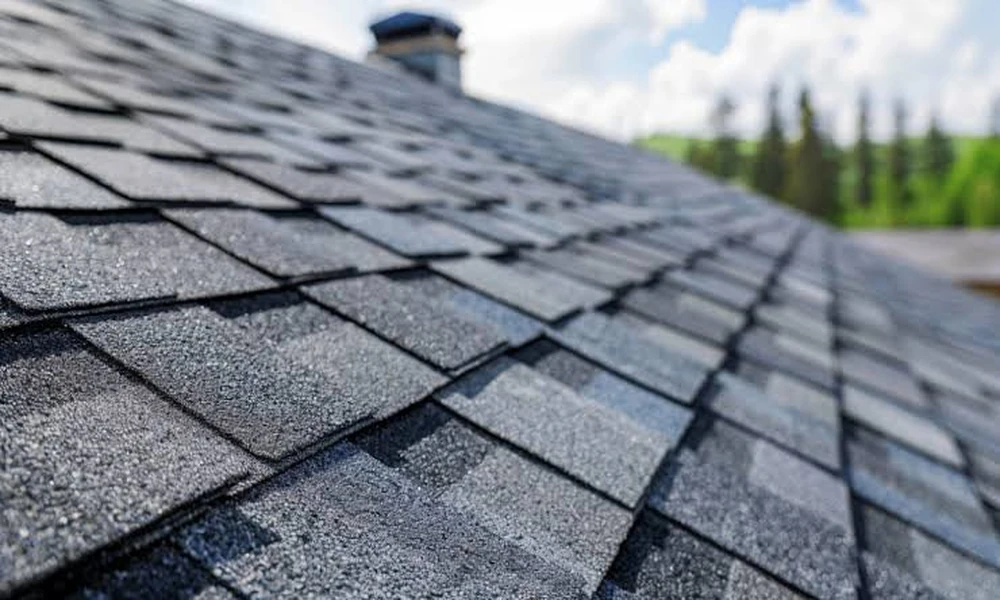
Across southwest Oklahoma, “Class 4” has become shorthand for a roof that can take hail. The label comes from UL 2218, a lab test that drops steel balls between 1.25 and 2 inches wide onto shingle samples from set heights, striking the same spot twice. If the back of the shingle shows no cracking, tearing or splitting after the 2 inch ball, the product earns Class 4. It is a useful benchmark, and it remains the baseline most insurers and manufacturers point to.
What the rating leaves out matters just as much. Steel is far denser than ice, so the test balls fall more slowly than real hailstones to match their energy, and they hit factory fresh shingles at room temperature. Research has shown that impact rated shingles lose flexibility as they age, which means a ten year old roof may not behave like the sample that passed the test. The label also says nothing about wind, and in most storm losses the trouble starts when gusts get under the roof edge and begin peeling it back.
That second point carries extra weight around Lawton and Comanche County. Spring storms here rarely deliver hail alone. The same cell that drops ice often pushes straight line winds ahead of it, followed by sideways rain. A shingle can survive the hail and still lift at the eave twenty minutes later, letting water into the attic through seams in the decking. Treating hail resistance and wind resistance as separate jobs is where many roofs come up short.
Homeowners and property managers weighing these choices can lean on Liberty Roofing, LLC, a Fletcher based contractor with more than 20 years of experience working on metal, tile, shingle and flat roofs. The crew handles residential and commercial roofing, new installations, repairs and reroofing, along with gutter and siding installation, so the roof and the surfaces that shed its water can be planned together. Military families from Fort Sill, firefighters, EMTs and other public servants can also ask about the company’s discounts. Before picking a shingle color, it is worth asking the team to explain what will sit underneath that shingle on your particular roof.
Testing hail with ice instead of steel
The Insurance Institute for Business & Home Safety built its own hail lab to close the gap left by steel ball testing. Instead of metal, researchers fire lab made hailstones, both hard and soft, at 2 inch size. Each shingle is struck only once, and damage is judged from the top surface, the way an adjuster would see it on a real roof. The IBHS hail research program publishes the results as product ratings that run from Poor to Excellent and are refreshed every two years.
Those updates have nudged the market. Several weaker impact rated products have disappeared from shelves, while polymer modified shingles, which stay more flexible under impact, have improved. The practical takeaway is simple. Two shingles can both carry Class 4 on the bundle and still earn very different IBHS scores, so the specific product line matters more than the class number printed on the wrapper.
The layers a shingle label never mentions
Wind performance lives below the shingle, and the FORTIFIED Home standard spells out what that looks like. The roof deck gets fastened with 8d ring shank nails at tighter spacing, typically 6 inches apart in high wind areas. IBHS testing shows that switch alone can roughly double how much uplift the deck can resist before it tears loose from the rafters. Decking also has to meet a minimum thickness, generally 7/16 inch.
Next comes a sealed roof deck. Crews either tape every seam between sheathing panels and cover the deck with underlayment, or apply a fully adhered membrane over the whole surface. If wind strips shingles away, that sealed layer can cut the water entering the home by up to 95 percent. For a house in Elgin with finished ceilings and blown insulation, that difference often separates a roof claim from a gutted interior.
The edges get their own treatment. FORTIFIED calls for a wider drip edge fastened over the underlayment at eaves and rakes, plus a fully adhered starter strip so the first course of shingles cannot be pried up. Only after those layers are documented with photos does the optional Hail Supplement come into play, and it requires shingles rated Good or Excellent by IBHS. In other words, the impact rated shingle is the final layer of the system, not the system itself.
Why an overlay can’t get there
Reroofing by laying new shingles over an existing layer is a legitimate option in some cases. It skips tear off labor and disposal, shortens the job and works when the existing roof is a single, flat layer over a sound deck. Codes generally cap residential roofs at two layers of asphalt.
The trade-off is that an overlay hides everything FORTIFIED depends on. Nobody can renail the deck, tape the seams or inspect for soft sheathing when the old shingles stay in place. An uneven base can also affect how new shingles respond to impact. For homeowners who want the full storm designation, a complete tear off down to the wood is the only route.
How the state grant changes the math
The Oklahoma Insurance Department runs the Strengthen Oklahoma Homes program, which offers grants of up to $10,000 toward a roof built to the FORTIFIED Roof High Wind standard with the Hail Supplement. The order of steps matters. A certified FORTIFIED evaluator inspects the home first to confirm eligibility, the roofing work is completed and documented, and grant funds go to the contractor once IBHS issues the certificate. The department reports that participating homeowners save around $749 a year on premiums on average.
Eligibility has limits. The home must be a primary residence in good repair, carry homeowners and wind coverage, and cannot be a mobile home, manufactured home, duplex or condo. Applications open in rounds, so checking the program page before signing a roofing contract keeps the evaluator step from being skipped.
Pieces beyond the roof plane
A sealed, well fastened roof still has to move water off the house. Hail dents thin aluminum gutters and cracks brittle vinyl siding, and a bent gutter can push water back toward fascia boards that anchor the drip edge. Higher FORTIFIED levels extend protection to these surrounding components for that reason.
None of this makes a Class 4 shingle a poor choice. In a region that sees hail most springs, it is a sensible upgrade. It simply works best as the top layer of a roof that was built, from the nails up, to stay attached when the wind arrives with the ice.