
Late in the morning of October 27, 1993, an arsonist’s fire raced out of the canyons above the coast and into neighborhoods like Mystic Hills and Emerald Bay. By the time it was over, the disaster had consumed or damaged 441 homes, cost $528 million and taken no human lives, and it continues to influence city policy. Investigators later noted that many homes had been built in vulnerable locations and out of flammable materials like wood shingle roofs and siding.
What rose from the ashes looked different. Homes that were rebuilt followed hardened building standards meant to inhibit fire, such as internal sprinklers, tile roofs, a ring of hardscape around the structure and fire resistant vegetation. Three decades on, many of those replacement roofs are reaching middle age, and their owners are once again weighing what to put overhead.
Anyone comparing quotes for a roofing company in Laguna Beach will notice the conversation usually narrows to two serious contenders. Jeff Ray, who personally oversees jobs at jlray.com, has been working these coastal hills out of San Clemente since 1989 with clay and concrete tile repairs on one side and standing seam metal installs on the other, and his estimates are free and can include a solar option. Hearing both materials explained by people who install both is the best starting point, because neither one wins every category.
Both Clear the Fire Bar, but Not in the Same Way
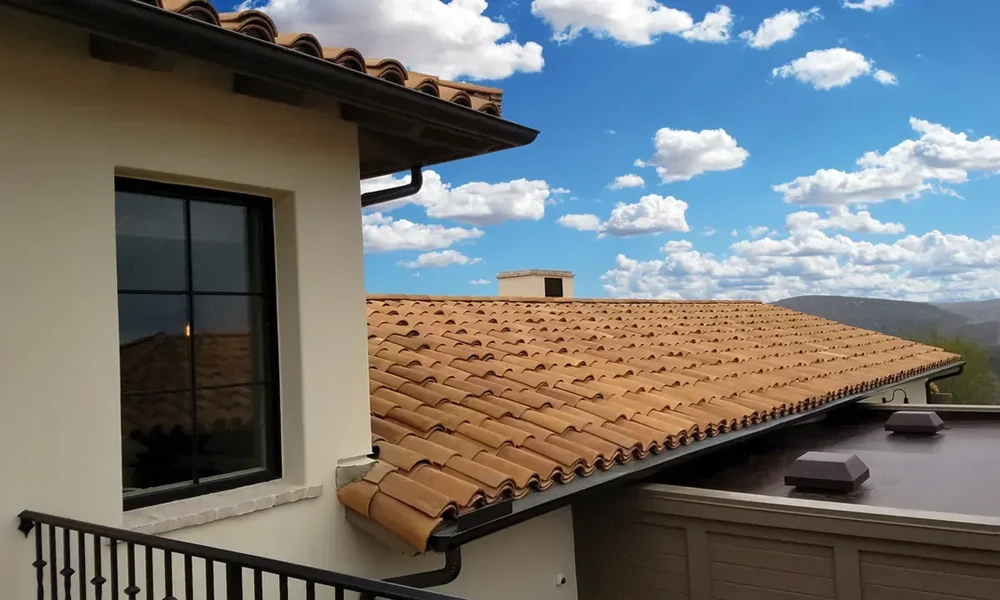
Clay tile is fired earth. It cannot burn, and California fire agencies routinely list it as a Class A covering, the top rating for resisting flame and embers. Steel standing seam is also noncombustible and earns its rating the same way.
Aluminum, popular near the ocean because it won’t rust, is a little different. Because aluminum has a low melting point it must be tested, and it earns a Class A rating “by assembly” only when an additional material is installed beneath it. That makes the underlayment spec on a metal quote worth reading line by line.
Tile has its own weak spot, and it sits at the edges. Barrel tiles leave open curves at the eaves and ridge. Birds and rodents nest in these gaps using materials embers can easily ignite, letting fire reach structural members and bypass the Class A covering. The fix, known as bird stopping, is cheap, but it has to be present and intact. Fire Safe Marin’s guide to fire resistant roofs has clear photos of what good and missing bird stops look like, along with a useful section on vulnerable roof edges.
The Weight Question Hillside Homes Can’t Ignore
This is where the two materials split hardest. Clay tile is heavy, often somewhere around 900 to 1,200 pounds per hundred square feet once installed. Standing seam metal usually weighs a small fraction of that.
On a home originally framed for tile, switching between them is mostly about looks and budget. On a house that started life with lightweight shingles or shakes, moving to tile can mean an engineer’s review and added framing, which on a steep lot with tight access gets expensive fast. Plenty of the older cottages near the village and the homes stepping up the canyon walls fall into that second group.
A few situations tend to settle the debate quickly.
- The house already carries tile and the framing is sound, so reusing or replacing tile keeps costs and approvals simple.
- The original roof was wood shake or light composition, which makes metal the easier structural fit.
- The roof is low pitched, a slope where metal panels shed water more reliably than tile.
- The roof is cut up by dormers, valleys and wall intersections, where every extra junction becomes another place for debris and embers to gather.
- Rooftop solar is planned within the next few years.
Living With Salt and Sun
Out on the water side of Coast Highway, salt air is a constant. Clay doesn’t care about it. The wear part on a tile roof is the underlayment beneath it, which ages long before the tile and eventually requires lifting and resetting the whole field.
Metal panels need better choices up front. Aluminum resists rust by forming its own oxide skin, while steel depends on its coating staying intact. In both cases the fasteners, flashing and trim must be compatible, because mismatched metals corrode each other where they touch.
Heat behaves differently too. Tile sits on battens with an air gap that helps vent heat away from the deck. Light colored metal finishes reflect much of the sun before it ever gets in, which matters for the inland facing homes up in Top of the World where summer afternoons run hotter than at the beach.
The Look the Neighborhood Expects
Laguna is particular about appearance, and for good reason. Its mix of Spanish revival houses, beach cottages and bold modern hillside homes is part of what draws people here. A change of roof material is the kind of visible alteration that often needs to clear the city’s design review, and the cost of that process rises if neighbors object.
Clay tile in terracotta tones reads as traditional and rarely surprises anyone. Standing seam fits naturally on contemporary designs and on a growing number of renovated cottages, especially in muted grays and bronzes that sit quietly against the hills. Bringing color samples and photos of comparable homes to the review usually smooths the path regardless of which way you lean.
Where Solar Panels Change the Math
Solar is the factor homeowners most often forget to weigh. Mounting panels on tile means removing tiles, installing hooks into the deck and replacing pieces that crack along the way. Every one of those penetrations has to be flashed properly or it becomes a future leak.
Standing seam offers a cleaner route. Clamps grip the raised seams directly, so the panels go up without drilling through the roof at all. If solar is part of the long term plan, that advantage can outweigh a modest difference in upfront price.
Thirty Years From Now
A well installed roof on these hills should comfortably outlast most mortgages, so the right choice is the one that still makes sense decades from now. Clay rewards owners who already have the framing for it and value a classic look that will never rust. Metal suits lighter structures, complex rooflines, solar plans and modern architecture.
What both demand is careful detailing at the edges, the ridges and every place where roof meets wall. The 1993 fire taught this town that roofs rarely fail across their broad, flat middle. They fail in the gaps, the gutters and the small openings nobody thought to close, and that holds true whichever material ends up on top.