
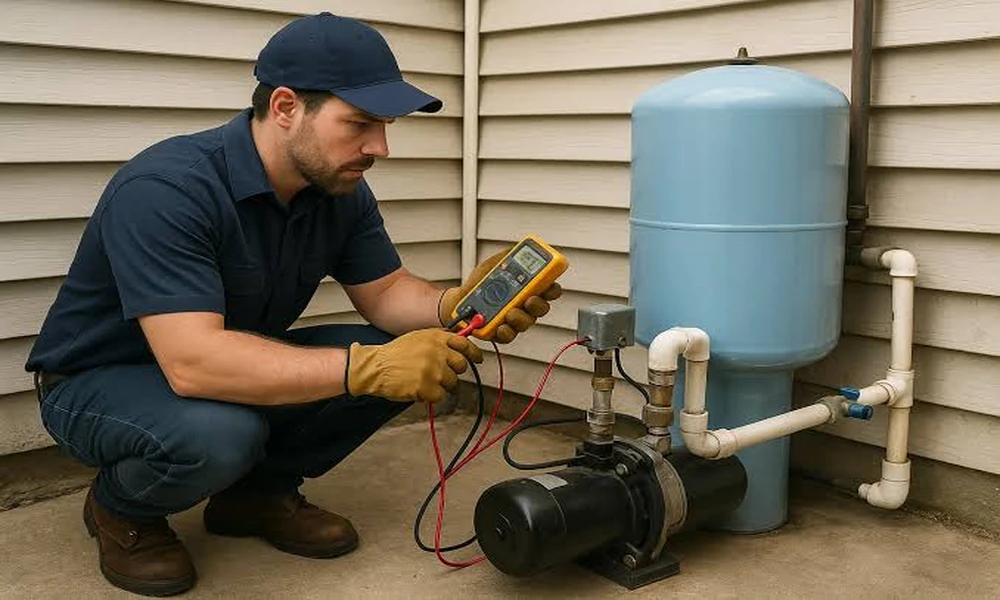
A private well pump plays a quiet but essential role in your home. It moves groundwater into your plumbing system so you can shower, wash clothes, prepare meals, and use water throughout the day. Because most of the equipment is out of sight, early warning signs can be easy to miss. Knowing when to seek pump help near Lake Butler, FL can help you address a developing problem before a pump failure leaves your household without reliable water.
A well pump doesn’t always stop working without warning. Changes in water pressure, unusual sounds, frequent cycling, or inconsistent water flow can indicate that something isn’t operating as it should. Recognizing these signs early gives you an opportunity to have the system assessed and determine whether repair, adjustment, or replacement is appropriate.
Understanding the Role of Your Well Pump
Your well pump is responsible for moving water from the well into your home’s plumbing system. Depending on the type of well and equipment installed, the pump may be located inside the well or positioned above ground.
The pump works with other components, including the pressure tank, controls, pipes, and electrical connections. These parts work together to deliver water at usable pressure whenever a faucet or appliance needs it.
Because the system has several interconnected components, a symptom that appears to be a pump problem may sometimes originate elsewhere. This is one reason professional diagnosis can be useful when unusual behavior begins.
1. Water Pressure Starts to Fluctuate
One of the first signs homeowners may notice is inconsistent water pressure. The shower may suddenly lose pressure, faucets may alternate between strong and weak flow, or the pressure may change while you’re using multiple fixtures.
A change in pressure doesn’t automatically mean the pump is failing. The pressure tank, pressure switch, plumbing restrictions, or other components can also contribute to the problem.
However, if pressure changes become frequent or noticeably different from normal, it’s worth having the well system checked.
2. The Pump Runs More Often Than Usual
Your well pump should cycle according to household water demand. If you notice that it starts and stops much more frequently than it used to, something may be affecting the system.
Frequent cycling can place additional wear on the pump motor and other components. A problem with the pressure tank, pressure switch, water supply, or plumbing can sometimes cause this behavior.
Don’t assume that frequent cycling is simply part of normal operation. Identifying the cause early may help prevent unnecessary stress on the equipment.
3. The Pump Runs for Long Periods
The opposite problem can also be a warning sign. If your pump runs for unusually long periods before shutting off, it may be struggling to maintain the expected pressure.
Several issues can produce this symptom. The pump may have difficulty delivering water, the well’s water level may have changed, or there could be a problem with the pressure system or plumbing.
Pay attention to whether the behavior occurs only during periods of heavy water use or continues when household demand is relatively low.
A pump that consistently runs longer than expected deserves professional attention.
4. You Hear Unusual Sounds
Well pumps aren’t completely silent, but a sudden change in sound can be worth investigating.
You might hear humming, clicking, grinding, rattling, or other noises that weren’t present before. These sounds can originate from the pump, motor, pressure switch, or other equipment.
A single unfamiliar sound doesn’t necessarily identify the problem. However, a new or increasingly noticeable noise combined with pressure changes or cycling issues provides a stronger reason to have the system evaluated.
Avoid attempting to open or repair electrical or mechanical components yourself. Well pump systems can involve electricity and pressurized water, so professional handling is important.
5. Water Flow Becomes Weak or Inconsistent
If your faucets suddenly produce less water than usual, the well pump may not be delivering water as effectively as it should. However, reduced flow can have many possible causes.
A clogged filter, plumbing restriction, pressure problem, damaged pipe, or issue with the water source can all affect flow.
The pattern can provide useful information. If every fixture in the home experiences reduced flow, the problem may involve the well system or main water supply. If only one faucet is affected, the cause may be isolated to that fixture.
6. The Water Supply Stops Unexpectedly
A complete loss of water is one of the clearest signs that something needs immediate attention.
If your faucets suddenly stop producing water and the issue isn’t related to a temporary utility interruption, the well system may need to be inspected.
Electrical problems, pump failure, pressure controls, plumbing issues, or changes in the well itself can all contribute to a loss of water.
If the system stops working, avoid repeatedly switching equipment on and off in an attempt to restore service. A professional can determine where the failure occurred and what needs to be repaired.
7. Your Electrical System Shows Warning Signs
Because well pumps rely on electrical power, electrical problems can affect their operation.
If a breaker repeatedly trips when the pump operates, there may be an electrical or equipment-related issue that needs investigation.
A tripped breaker can have several causes, and repeatedly resetting it isn’t a safe substitute for finding the underlying problem.
If electrical components around the well equipment show signs of damage, overheating, or unusual behavior, keep clear of the equipment and arrange for qualified professional assistance.
8. The System Behaves Differently After Heavy Rain
Changes in weather can sometimes affect private well systems, particularly after periods of heavy rainfall or flooding.
You may notice changes in water appearance, pressure, or system performance. These changes don’t necessarily mean the pump itself is damaged, but they can indicate that the well or surrounding conditions should be evaluated.
If water becomes discolored, develops an unusual odor, or otherwise changes after a major weather event, water quality testing may also be appropriate.
Why Early Repairs Matter
Waiting until a well pump completely fails can create a major disruption for your household. Without a functioning water supply, everyday activities such as bathing, cooking, cleaning, and laundry can become difficult.
Early attention doesn’t guarantee that a repair will prevent eventual replacement, but it can help identify the problem while the system is still operating.
It may also help distinguish between a pump issue and a problem elsewhere in the well system. A pressure tank, switch, wiring, pipe, or control component may be responsible for the symptoms.
Getting the correct diagnosis is more useful than replacing equipment based only on a single symptom.
How to Help Protect Your Well Pump
Regular attention can help you spot changes before they become emergencies. Keep an eye on water pressure and listen for unusual changes in pump operation. If the system begins cycling more frequently or running for longer periods, don’t ignore the change.
It’s also helpful to keep the area around well equipment accessible so that inspections and repairs can be carried out when necessary.
Professional maintenance can provide another layer of protection, particularly for older systems or properties that have experienced recurring problems.
When Should You Call for Professional Help?
You don’t have to wait until the water stops completely before calling for assistance. Persistent pressure changes, unusual pump noises, repeated cycling, long run times, and unexplained changes in water flow can all justify an inspection.
A professional can evaluate the pump alongside the pressure tank, controls, electrical components, plumbing, and other parts of the system. Looking at the entire system helps avoid treating the wrong component.
If you lose water completely or notice a serious electrical problem, prompt professional attention is particularly important.
Conclusion
A failing well pump often provides warning signs before it stops working completely. Changes in water pressure, frequent cycling, long run times, unusual noises, weak flow, and electrical problems can all indicate that something needs attention.
Not every warning sign means the pump itself needs replacement. Other components within the well system can produce similar symptoms, which is why proper diagnosis matters.
By paying attention to changes in how your well system operates and addressing problems early, you may be able to avoid a sudden loss of water and make better decisions about repairs or replacement. Regular maintenance and timely professional evaluation can help keep your well system dependable for everyday household use.
