

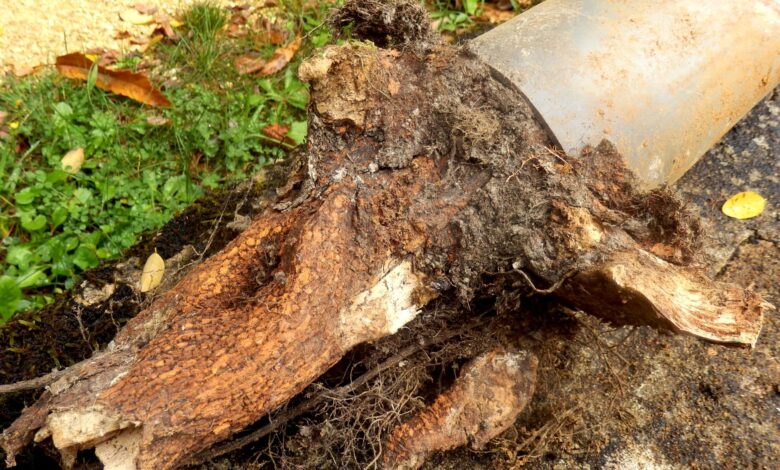
Creve Coeur is a beautiful community home to mature trees. Oak trees, maples, and elms can take decades to develop and add character to a neighborhood. Homeowners here take pride in their landscaping, and these trees can be a reason people fall in love with a property. But tree root intrusion can happen in the area, damaging plumbing systems. Unfortunately, many homeowners may not realize this problem is happening because it is out of sight. This is the reason they should rely on a plumber in Creve Coeur when dealing with underground sewer pipe issues. The professional will inspect and locate the intrusion and use a rooter machine to address an intrusion.
Why Tree Roots Target Sewer Lines
Tree roots grow toward resources, such as water, oxygen, and nutrients. Your sewer line is a concentrated source of these resources. Warm wastewater releases vapor that seeps through tiny cracks, loose joints, and imperfect seals in the pipe. Roots detect this vapor and grow toward it.
A root tip that finds even the most hairline crack in a pipe will push through. As a result, a thread-thin root tip can turn into a mass of fibrous growth that fills the pipe interior.
Creve Coeur’s Landscape Makes This a Common Problem
Below are factors that make Creve Coeur prone to tree root intrusion in sewer lines:
- Mature tree canopy. Older, established trees have extensive root systems that spread beyond the tree’s visible drip line, often reaching 50 feet or more from the trunk in multiple directions.
- Clay-heavy soil. Much of the St. Louis metro area, including Creve Coeur, has clay-rich soil that holds moisture unevenly. Roots extend aggressively in search of water, making sewer lines an even more attractive target during dry periods.
- Older pipe materials. Many Creve Coeur homes were built in the mid-20th century when clay tile and cast iron were standard sewer pipe materials. These pipes have joints every few feet. These joints can be entry points for root intrusion.
- Established landscaping close to the home. Mature trees planted near the house decades ago can have root systems that extend beneath the sewer lateral connecting the home to the municipal main.
What Root Intrusion Does to Your Pipes
Root intrusion is a gradual process with a predictable progression that gets more damaging at every stage. In the early phase, fine root threads enter through small cracks or joint gaps and begin to accumulate inside the pipe. This can restrict water flow, but not enough for most homeowners to notice anything unusual.
As the roots grow and multiply, they form a dense mass that catches toilet paper, grease, and debris. Slow drains and occasional gurgling sounds in toilets or floor drains are common warning signs at this stage. Many homeowners mistake this for a standard clog and treat it with store-bought drain products. But such products do not address root intrusion and may only provide temporary relief.
In the advanced phase, roots exert enough pressure on the pipe walls to cause cracking, collapse, or complete blockage. Sewage backup into the home becomes an immediate risk at this point.
The Role of Pipe Age and Material
Creve Coeur’s housing stock includes a significant number of homes built between the 1940s and 1970s. The sewer laterals on these properties were installed with clay tile pipe, which was the industry standard of the era. Clay tile pipe works adequately when intact, but the joints between pipe sections are sealed only with mortar or a rubber gasket. Such materials degrade over decades of soil movement, freeze-thaw cycles, and simple age.
Every joint in a clay tile sewer line is a potential root entry point. A typical residential sewer lateral from this era might have fifteen to twenty joints between the house and the street connection. This is fifteen to twenty opportunities for root intrusion along a line that may never have been inspected since the day it was installed.

